

JASIWAY Best-Selling Modern Sleeper Sofa Chair Launches on Wayfair, Bringing Flexible Small-Space Living to Modern American Homes
Sheridan, WY, July 04, 2026 (GLOBE NEWSWIRE) -- JASIWAY, a modern furniture brand focused on flexible whole-home living solutions, announced that its best-selling Modern Sleeper Sofa Chair is now available on Wayfair, giving American consumers broader access to a compact, convertible furniture solution designed for today’s small-space homes, apartments, guest rooms, and hybrid living environments.
The launch comes as households across the United States continue to rethink how living spaces are used. Rising housing density, evolving remote and hybrid work patterns, and increasing demand for multifunctional interiors have accelerated consumer interest in furniture that can adapt throughout the day without requiring additional square footage.
Designed to function as both a comfortable lounge chair and a practical sleeping surface, JASIWAY’s Modern Sleeper Sofa Chair addresses one of the fastest-growing needs in residential interiors: furniture that supports seating, relaxation, and overnight guest accommodation within a single footprint. Its availability on Wayfair reflects the growing mainstream demand for convertible seating solutions in e-commerce furniture retail.
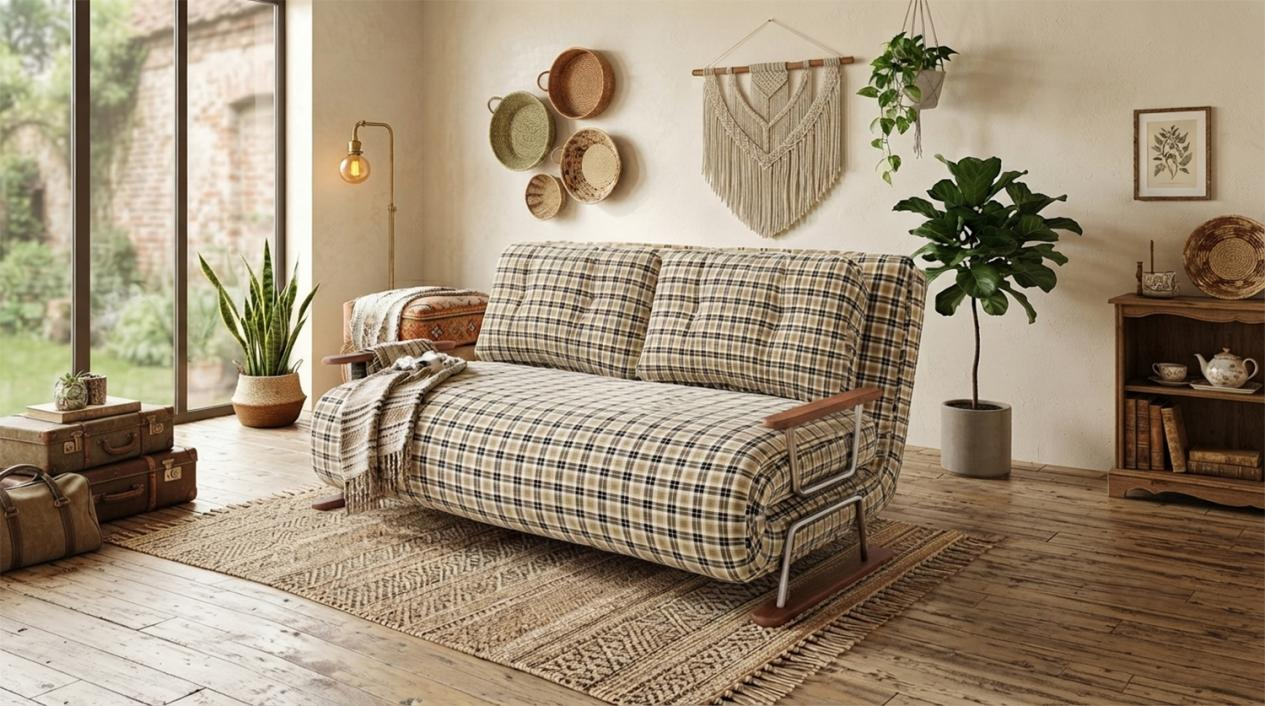
JASIWAY’s best-selling modern sleeper sofa chair, available on Wayfair, designed for flexible small-space living.
Rising Demand for Space-Efficient Living in the United States
Modern American households are increasingly defined by multi-functional space utilization. Living rooms, once dedicated primarily to entertainment and relaxation, are now expected to function as hybrid environments that integrate home office setups, guest accommodations, and leisure zones within the same area.
This transformation is particularly visible in major urban centers such as New York, Los Angeles, and Chicago, where rising rent costs and reduced square footage have accelerated demand for compact, convertible furniture solutions. Even in suburban areas, younger homeowners are adopting more flexible layouts that prioritize efficiency over traditional room separation.
One of the most rapidly growing categories in this shift is the sleeper sofa chair, a compact convertible seating solution designed for small-space living. This product category reflects a broader behavioral change in consumer expectations, where furniture is increasingly expected to transform based on time-of-day usage rather than remain fixed in a single configuration.
Recent market signals suggest that convertible seating solutions are becoming mainstream rather than niche, particularly in e-commerce-driven furniture retail environments where space optimization is a key purchase driver.
In addition to urban density and rising rental costs, changing consumer behavior is also playing a significant role in reshaping furniture demand in the United States. More households are now adopting hybrid living patterns where a single room must support multiple daily functions, including remote work, entertainment streaming, fitness activities, and overnight guest accommodation.
This shift has increased the importance of furniture that can quickly adapt without requiring major spatial reconfiguration. As a result, consumers are increasingly prioritizing products that reduce friction in daily life—such as foldable seating, hidden storage systems, and convertible sleeping surfaces that can be deployed within seconds.
The sleeper sofa chair category in particular reflects this behavioral evolution, as it supports both short-term comfort and long-term functional flexibility within compact environments.
Expansion of Multifunctional Furniture Systems
Beyond compact seating solutions, the multifunctional furniture category is evolving into structured systems rather than isolated products. This shift reflects a broader evolution in interior design philosophy, where homeowners increasingly seek coordinated furniture ecosystems that can adapt to multiple room functions and changing lifestyle needs.
Industry analysis shows that sofa-based multifunctional products—including sofa beds, modular seating, and storage-integrated furniture—represent one of the fastest-growing segments in residential interiors.
In response to this demand, JASIWAY has developed a structured Sleeper Sofas collection designed to function as an integrated living system rather than individual furniture items. The collection emphasizes modular transformation, spatial adaptability, and long-term usability across diverse household configurations.
This system-based design approach reflects a broader industry trend in which furniture is increasingly viewed as infrastructure for living, rather than standalone decorative objects. Consumers are also showing stronger preference for configurable systems that allow customization based on room size, household size, and usage frequency.
Additionally, rising awareness of sustainability and durability has further strengthened demand for long-lasting modular furniture that reduces the need for frequent replacement cycles.
The evolution of multifunctional furniture is also being influenced by broader changes in product design philosophy. Instead of focusing solely on aesthetic appeal or singular function, manufacturers are increasingly designing furniture around lifecycle usability, modular expansion, and repairability.
This includes the growing use of interchangeable components, reinforced folding mechanisms, and materials engineered for both durability and frequent transformation. These improvements allow furniture systems to maintain structural integrity even under repeated configuration changes, which is essential for households that rely on daily conversion between sofa and bed modes.
As a result, multifunctional furniture is no longer viewed as a temporary solution for small spaces, but rather as a long-term investment in adaptable living infrastructure.
Japandi Design and the Rise of Minimal Comfort Living
Alongside functional innovation, aesthetic trends are also undergoing a significant transformation. One of the most influential global interior movements shaping modern American homes is Japandi design—a hybrid style combining Japanese minimalism with Scandinavian functionality.
Japandi design is characterized by clean geometry, natural materials, neutral tones, and a strong emphasis on spatial calmness. This design philosophy aligns closely with growing consumer interest in wellness-oriented interiors that reduce visual clutter and promote emotional balance within living spaces.
The popularity of Japandi-inspired furniture has increased significantly in Western markets as consumers move away from overly complex or decorative design styles toward more intentional and calming environments.
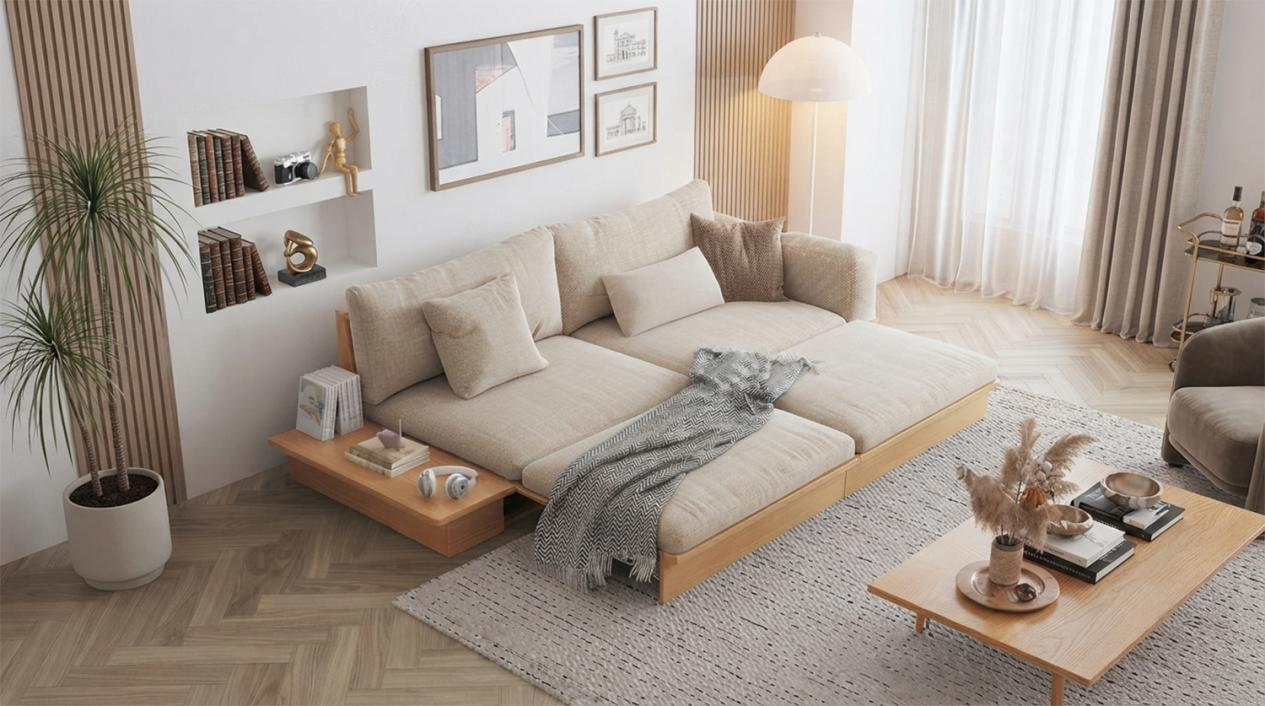
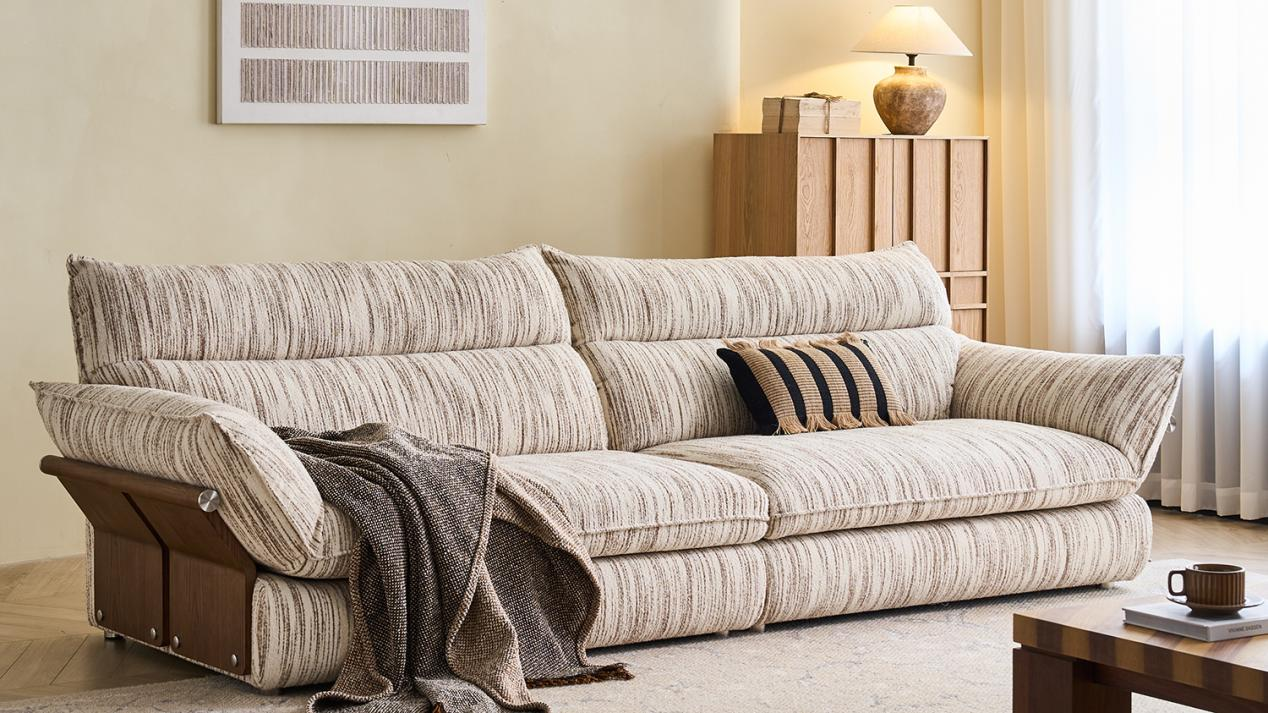
A representative example of this design evolution is the Japandi Sofa Bed, which integrates solid wood framing, soft upholstery, and convertible functionality into a single cohesive design system. This type of furniture reflects a broader shift in consumer expectations, where emotional comfort and functional versatility are equally important in purchase decisions.
In compact urban environments, Japandi furniture also serves a practical role by combining minimalist aesthetics with multifunctional engineering, making it suitable for apartments, guest rooms, and hybrid workspaces.
Recent interior design trends also highlight a growing emotional dimension in furniture selection. Consumers are increasingly drawn to environments that promote calmness, reduce visual noise, and support mental well-being through intentional design choices.
Japandi-style furniture aligns closely with this trend by combining natural textures, muted color palettes, and simplified structural forms that create a sense of visual balance. Unlike heavily decorative furniture styles, Japandi design emphasizes restraint and purpose, encouraging users to create spaces that feel both functional and restorative.
This design direction has become especially relevant in post-pandemic living environments, where the home is expected to function simultaneously as a workspace, relaxation zone, and personal retreat.
Oversized Seating and the Comfort Economy
While compact furniture dominates urban living environments, suburban households and larger residential spaces are increasingly embracing oversized seating systems that prioritize comfort, relaxation, and shared social experiences.
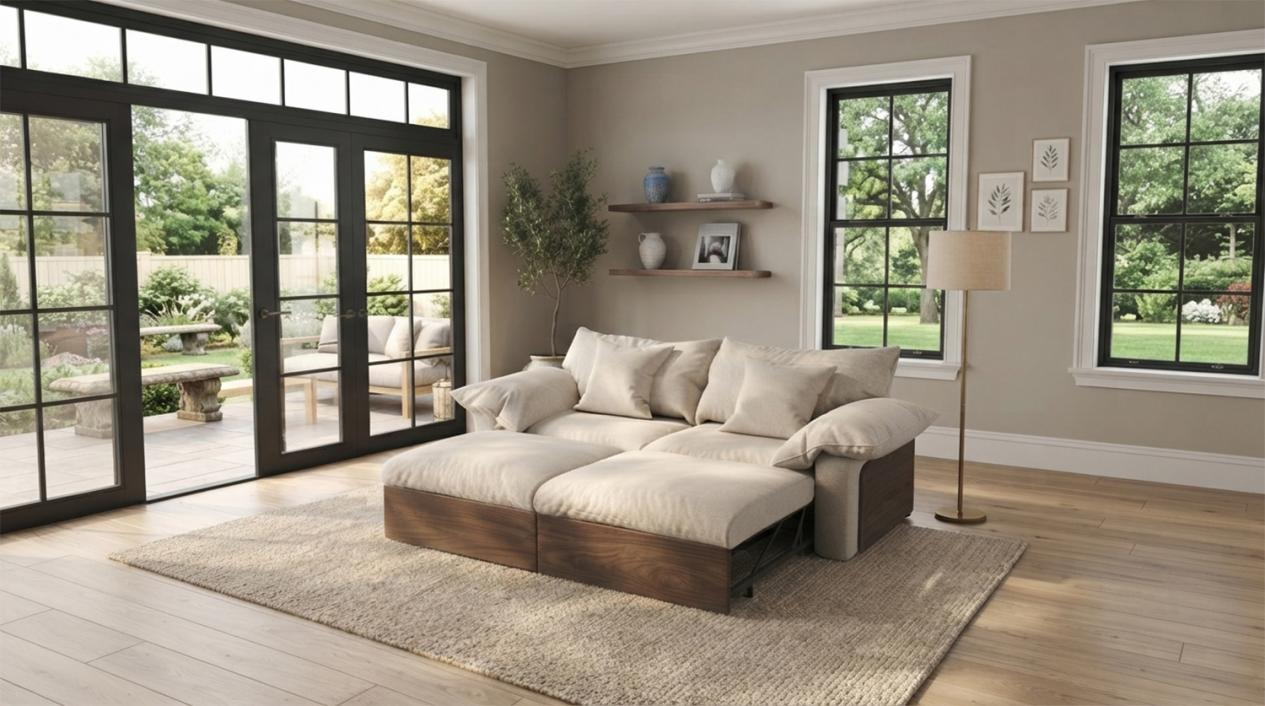
Deep-seat sectional sofas have emerged as one of the defining furniture trends in this category, offering extended lounging space and flexible arrangements suitable for family interaction, entertainment, and casual daily living.
In response to this demand, JASIWAY has introduced its Oversized Deep Seat Sectional Sofa, designed for modern living rooms that function as multifunctional social hubs rather than formal seating areas.
This trend reflects a broader cultural shift in the United States often described as the “comfort economy,” where emotional well-being and home comfort are becoming central to lifestyle decisions. Consumers are increasingly prioritizing furniture that enhances relaxation, supports social bonding, and contributes to overall quality of life within the home environment.
Recent design analyses also suggest that deep seating and lounge-oriented layouts are replacing rigid formal arrangements in contemporary interior design.
Storage Integration and Functional Intelligence in Furniture Design
As urban housing continues to become more compact, storage efficiency has emerged as a critical factor influencing furniture design and purchasing decisions. Consumers are no longer satisfied with furniture that serves a single function; instead, they expect integrated systems that help manage space efficiently.
This has driven rapid growth in storage-integrated furniture solutions, particularly sofas with hidden compartments designed for storing household essentials such as bedding, pillows, and seasonal items.
The Japandi Storage Sofa reflects this evolution by incorporating concealed storage functionality within a minimalist structural frame. This design allows users to maintain a clean visual environment while maximizing usable space within the home.
Storage-integrated furniture represents a significant shift in design philosophy—from aesthetic-focused objects to intelligent systems that actively enhance spatial organization and efficiency.
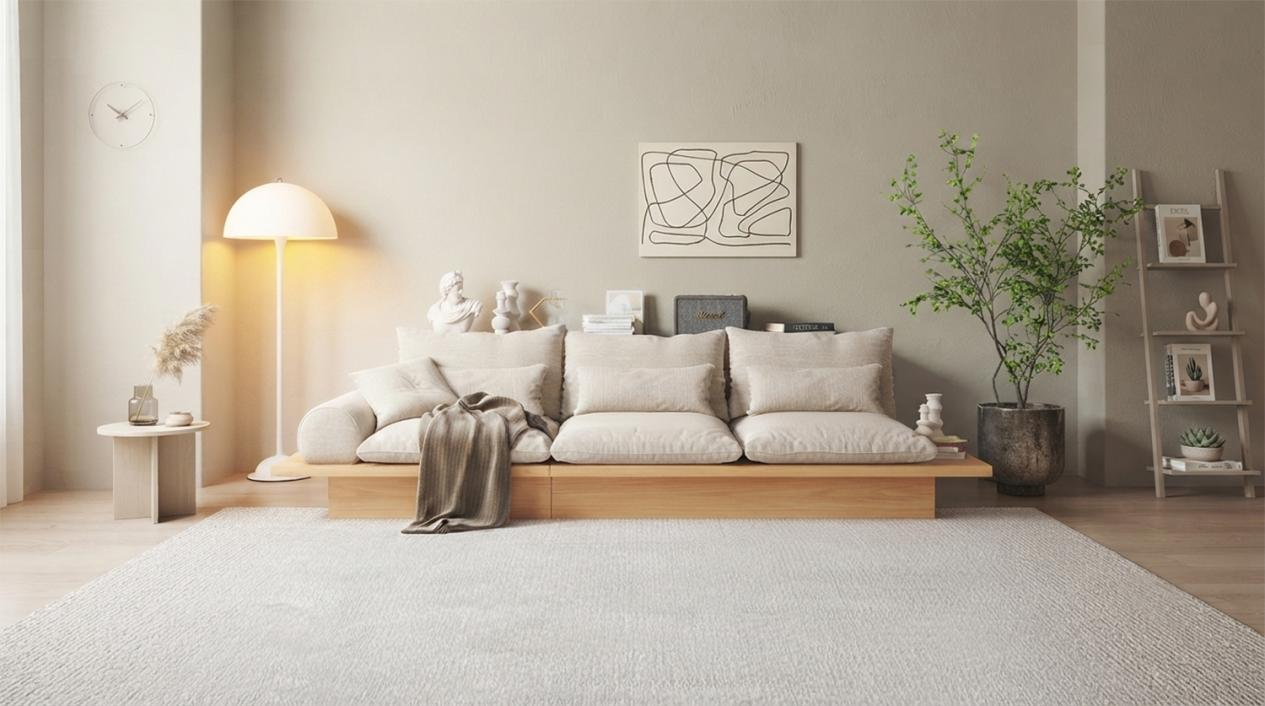
In addition, the growing popularity of minimal living lifestyles has reinforced demand for furniture that reduces clutter while maintaining design coherence across different living zones.
Storage integration is now central to the space optimization economy, as consumers prefer furniture with built-in storage instead of separate units. This reduces clutter, improves efficiency, and supports flexible layouts. Modern homes increasingly replace traditional cabinets with multifunctional sofas and seating systems featuring hidden storage compartments.
Market Context: Continued Growth of Multifunctional Furniture Industry
The multifunctional furniture industry continues to expand globally, supported by long-term structural drivers such as urbanization, rising housing costs, and evolving consumer expectations around space efficiency.
Recent forecasts indicate steady growth across sofa-based multifunctional categories, with North America accounting for a significant share of global demand due to high urban density and strong e-commerce penetration.
In the United States, residential furniture remains the dominant segment of the market, with increasing adoption of modular, convertible, and space-saving solutions across both urban and suburban regions.
This sustained growth reflects a broader shift in how furniture is positioned within modern households. Instead of being treated as static décor elements, furniture is increasingly viewed as adaptive infrastructure that supports changing lifestyle patterns over time.
The continued shift toward adaptive living systems is also being reinforced by macro-level urban planning and real estate development trends. New residential projects in major U.S. cities increasingly prioritize compact floor plans and open-concept layouts, which require furniture that can define space dynamically rather than statically.
This has contributed to the rise of modular interior design, where furniture pieces are selected not only for individual function but also for their ability to interact with surrounding elements in flexible configurations. In this context, adaptability is becoming as important as durability or aesthetic consistency.
A Shift Toward Adaptive Living Systems
The increasing popularity of multifunctional furniture reflects a deeper transformation in how consumers define home environments. Rather than static layouts built around fixed-purpose furniture, homes are evolving into adaptive ecosystems that respond dynamically to daily routines.
This shift is particularly pronounced among younger homeowners, renters, and remote workers who require flexible environments capable of supporting work, rest, and social interaction within the same physical space.
JASIWAY’s design philosophy aligns with this transformation by emphasizing modularity, adaptability, and long-term usability across its product ecosystem. Instead of positioning products as isolated items, the brand develops integrated furniture systems designed to evolve with changing lifestyle needs.
From compact sleeper chairs to Japandi-inspired sofa beds, oversized sectional lounges, and storage-integrated seating solutions, the product range reflects a unified approach to flexible living design.
Outlook: The Future of Furniture Is Flexible
As American housing continues to evolve, demand for multifunctional and space-efficient furniture is expected to grow further. The boundaries between seating, sleeping, storage, and living functions are becoming increasingly blurred, creating new expectations for intelligent furniture systems.
Emerging design trends point toward modular structures, hidden functionality, and adaptive configurations that balance aesthetics with practical performance. Sustainability considerations are also playing a more prominent role, with consumers increasingly favoring durable, long-life furniture solutions that reduce waste and support long-term usability.
In this evolving landscape, furniture is no longer defined by individual products but by integrated ecosystems that support modern, flexible lifestyles.
From sleeper sofa chairs gaining traction in urban retail environments to Japandi-inspired interior systems and oversized comfort-driven seating designs, the future of furniture is being shaped by adaptability, functionality, and intelligent design.
About JASIWAY
JASIWAY is a modern furniture brand offering whole-home furnishing solutions, multifunctional seating systems, and custom furniture services. The brand creates adaptive, space-efficient designs that combine functional engineering with contemporary aesthetics, supporting flexible living across urban and suburban homes while delivering comfort, durability, and tailored interior solutions.

Tommy F.
service@jasiway.com

Legal Disclaimer:
EIN Presswire provides this news content "as is" without warranty of any kind. We do not accept any responsibility or liability for the accuracy, content, images, videos, licenses, completeness, legality, or reliability of the information contained in this article. If you have any complaints or copyright issues related to this article, kindly contact the author above.
